How to Build a Wastewater Treatment System That Handles Real-World Conditions

Business

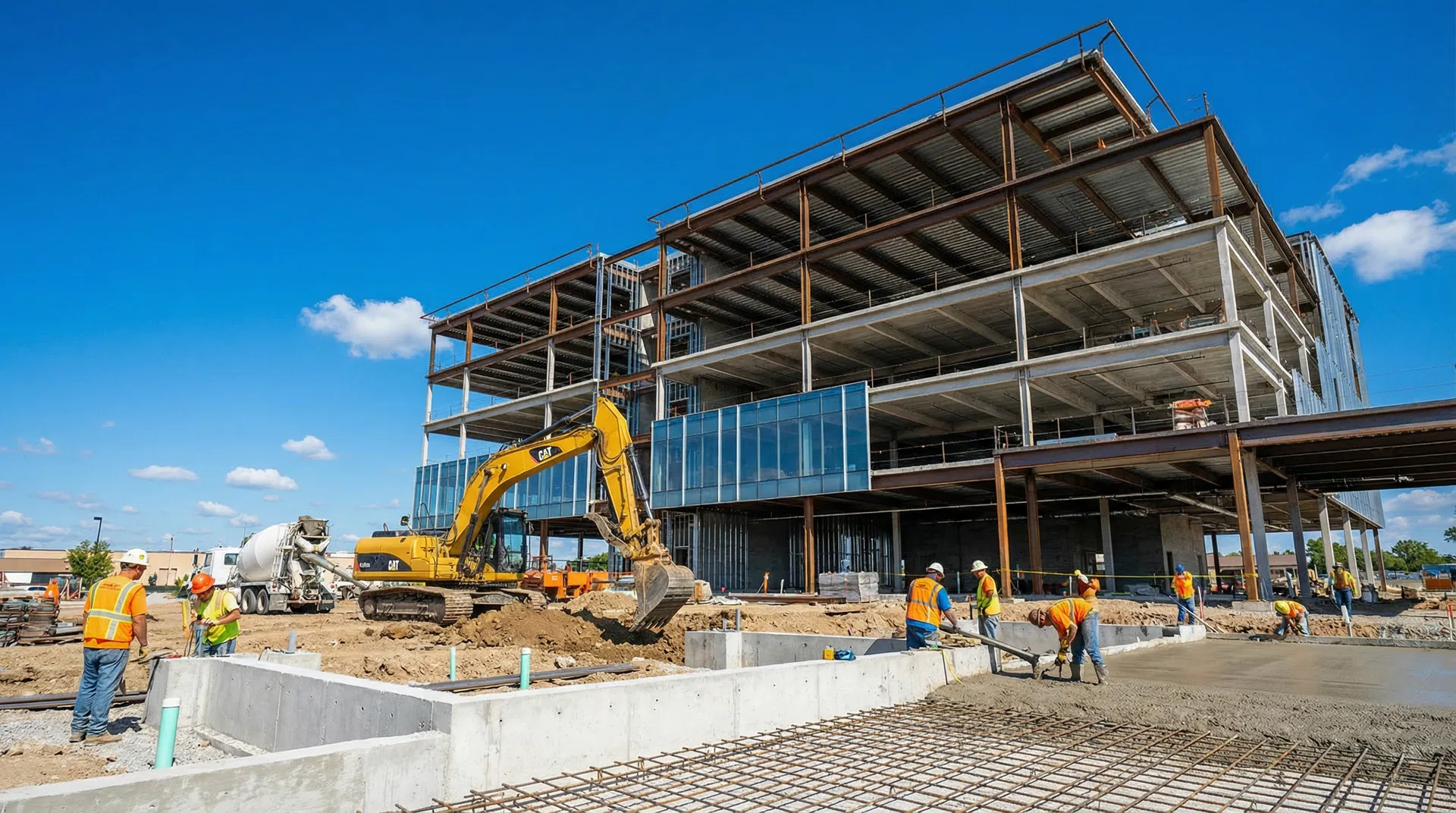
Most on-site wastewater systems fail for a boring reason: they’re designed for a fantasy influent. Clean curves, steady flow, predictable contaminants. Then the real world shows up with shock loads, weekend surges, weird solvents, cold snaps, and a maintenance tech who’s got six other priorities.

If you’re dealing with variable inflows and mixed waste streams, you don’t need a prettier P&ID. You need a treatment train that can bend without breaking.

One line, because it’s true:

On-site success is mostly about how gracefully you handle variability.


 Why on-site treatment is a headache (and why it keeps getting worse)

Look, the core problem isn’t that treatment science is mysterious. It’s that sites are messy.

You might see:

– Diurnal peaks that double or triple flow for a few hours

– High-strength batches that slam your biology with COD, fats, or salts

– pH swings that quietly destroy downstream performance

– Temperature shifts that slow kinetics when you can least afford it

– Footprint limits that force you into compact gear with fewer buffers

Regulators don’t care why you missed a limit, either. They just care that you did.

Now, this won’t apply to everyone, but if you’re in food processing, hospitality, multi-use facilities, remote camps, or anything “mixed use,” your influent is basically a moving target. Working with specialists like All Kind Wastewater can help make that target easier to manage.


 The “all-kind wastewater” idea: modular, swappable, and brutally practical

The modular approach sounds like marketing until you’ve lived through an upgrade project that required ripping out half a system because the original design had no flexibility.

Here’s the thing: “all-kind” isn’t magic. It’s architecture.

Instead of one monolithic plant that assumes a stable feed, you build a chain of standardized modules that can be tuned, bypassed, duplicated, or phased in. Each module owns a job:

– solids and grit handling

– equalization / buffering

– pH and scaling control

– biological conversion (aerobic/anaerobic, depending)

– filtration / polishing

– disinfection or reuse conditioning

– residuals management and disposal

In my experience, the big win is containment of risk. When a site changes (and it will), you’re swapping or adding one stage, not rewriting the entire system.


 Pretreatment isn’t glamorous. It’s often the difference between stable and chaotic.

If your influent is all over the map, chemical pretreatment becomes less “optional extra” and more “process insurance.”

pH correction, anti-scaling, coag/floc, oxidation, pick your poison. But do it deliberately.

A few truths I’ve learned the hard way:

– Overdosing chemicals can be just as destabilizing as underdosing

– Compatibility matters (gaskets, tank materials, pump elastomers… all of it)

– Jar tests don’t guarantee field performance when the influent changes every day

– Pretreatment without monitoring is basically gambling

And yes, chemical spend can creep. That’s why controls matter.


 Smart controls: not “AI,” just good feedback loops that react fast

Some sites still run treatment like it’s 1998: fixed timers, fixed aeration, fixed dosing. That’s fine, until it isn’t.


 Dynamic flow adaptation (the part that keeps you out of trouble)

You watch flow, tank levels, maybe turbidity or online COD proxies, and you change how the plant behaves:

– VFD pumps ramp instead of slam on/off

– Valves redirect to equalization before a unit gets overloaded

– Aeration cycles stretch or tighten based on actual oxygen demand

– Dosing responds to measured pH/ORP rather than a calendar

The whole point is to stop treating peak conditions like they’re the average condition.

One caution: sensors drift. Slowly. Quietly. Then suddenly your “smart” controls make dumb decisions because the pH probe’s lying. Budget time and discipline for calibration.


 Climate-responsive controls (because weather is a process variable)

Rainfall and temperature aren’t background noise, they’re influent drivers.

If you tie in forecast data, tank levels, temperature, and historical patterns, you can preemptively adjust operations: hold capacity, shift aeration setpoints, reduce sludge wasting in cold periods, or brace for storm-driven inflow.

Is this overkill for every site? No. But for facilities with infiltration issues, seasonal occupancy, or outdoor collection systems, it’s the difference between “steady effluent” and “why is the plant panicking every March?”


 Diverse waste streams: stop pretending they’re all the same

If you blend everything together upstream and hope downstream processes sort it out… you’ll pay for that optimism.

A more reliable pattern is to map sources, then decide what gets equalized, what gets segregated, and what gets knocked down early.

Blackwater, graywater, industrial washdown, kitchen effluent, lab discharge, each behaves differently. Some streams are better handled with targeted pretreatment before they poison (or simply overload) biology.

A quick, useful set of operating KPIs I like on mixed-stream sites:

– Flow (instantaneous + daily total)

– pH and temperature

– TSS / turbidity (for solids events)

– COD (even periodic lab COD helps anchor your model)

– Ammonia or TN if you’re chasing nutrient limits

– Sludge volume index / wasting rates if you run activated sludge variants


 Retrofits: the septic system isn’t the enemy, but it’s not your friend either

Integrating with existing septics can work well, if you respect hydraulics and access constraints.

Interface questions I ask before anyone buys equipment:

– Are pipe diameters and materials compatible, or are we building adapter nightmares?

– Do we have surge flows that will scour a tank and send solids downstream?

– Is there a backflow or venting risk after tying systems together?

– Can you actually service the interface once it’s buried (be honest)?

– Are control panels and sensors electrically isolated enough to avoid cross-talk and noise?

Retrofit success is usually about choosing the insertion point: add filtration or equalization upstream, polish downstream, and avoid demolishing tanks unless you truly need to.

Phased commissioning helps. It also exposes uncomfortable truths early, which is exactly what you want.


 Field performance: where good designs go to get humbled

Lab performance is tidy. Field performance is… not.

Real sites introduce things the pilot never saw: grit, rags, intermittent disinfectants, a maintenance gap, or the “we changed cleaning chemicals last month” surprise.

You don’t fix that with wishful thinking. You fix it with:

– buffers (equalization volume, redundancy, bypass logic)

– monitoring that produces trends, not just alarms

– maintenance routines that are written for real humans with limited time

– modular isolation so one failure doesn’t cascade across the plant

One stat that frames the problem: EPA estimates that roughly 60 million people in the U.S. are served by septic systems (U.S. EPA, Septic Systems Overview). That’s a lot of decentralized infrastructure, much of it aging, variable, and not designed for modern loading patterns. Retrofits and add-on treatment aren’t fringe cases anymore; they’re common.


 Design + testing + maintenance: the unsexy trio that decides everything

Some sections of a spec should be short, because the principle is simple.

Design for maintenance access or you’re designing a future failure.

Testing shouldn’t just prove “average performance.” Push edge cases: cold water, low alkalinity, peak flow, high solids, strange pH. See what breaks. Then redesign the weak points.

Maintenance plans should read like checklists, not essays. If a task takes two hours and requires a special tool nobody has, it won’t happen on schedule (and then you’ll blame the equipment).


 Evaluating “all-kind wastewater” for your specific site (what I’d prioritize)

If you want the shortest path from concept to a system that actually runs, prioritize in this order:

  1. Influent characterization with variability captured

Grab samples are fine, but composite sampling and peak-event sampling are where the truth lives.

  1. Performance targets that match your permit reality

Know which limits are hard constraints (TN, ammonia, BOD, TSS, pathogens) and which are “nice to have.”

  1. Process selection that’s robust under swings

Innovative filtration can stabilize solids; biology needs protection from shocks; pretreatment can keep both sane.

  1. Controls + monitoring designed as part of the plant, not bolted on

SCADA, sensors, alarms, remote access, calibration routines, design them like unit operations.

  1. A phased deployment plan

Modular systems shine when you can stage risk: add, validate, tune, then expand.

If you do those five things well, everything else starts to feel less like firefighting and more like operating a system with guardrails.

And that’s the real goal: not perfection, resilience.

Choose VitaOxy Mild Hyperbaric Chamber with Adjustable Comfort and Safety

Business


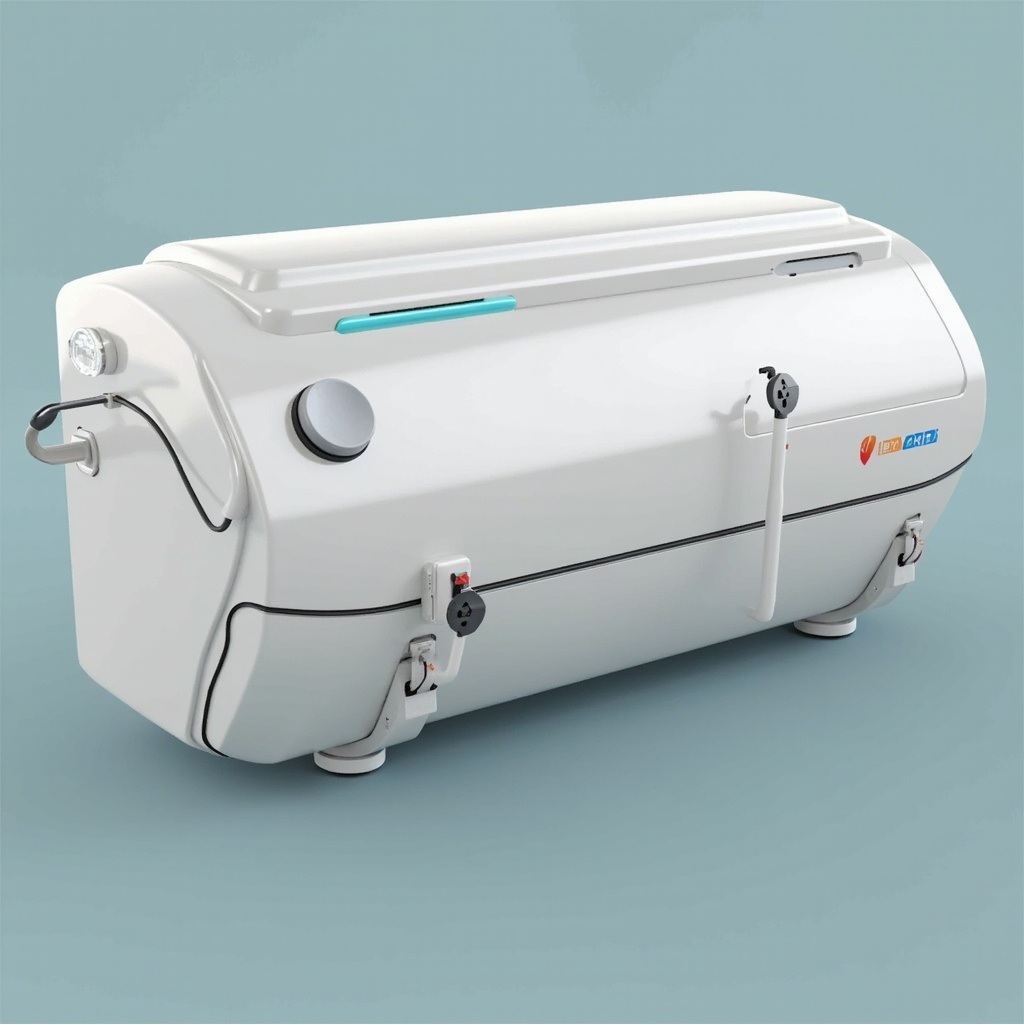
Oxygen Chamber SupplierYou have probably heard the buzz about mild hyperbaric oxygen therapy. Maybe a friend swore it helped them recover faster from a workout. Maybe you read about its potential for boosting mental clarity or speeding up healing. But then you started looking at chambers, and the options felt overwhelming. Some look like industrial medical equipment. Others feel flimsy, like a camping tent that might deflate at three in the morning. That is where the VitaOxy Mild Hyperbaric Chamber steps in, and it does so with a focus on two things that actually matter: comfort that you can control and safety that you do not have to second-guess.

Let me be blunt. A hyperbaric chamber is only useful if you actually use it. If the thing is uncomfortable, if the pressure feels wrong, if you cannot adjust the airflow to your liking, it will end up collecting dust in your garage. VitaOxy solved this by making the chamber genuinely adjustable. Not just a one-size-fits-all setting, but real, tactile control. You can dial in the pressure to match your tolerance level. Some days you might want a gentle boost. Other days, you might feel ready for a deeper session. The chamber lets you decide, not the other way around.

And comfort is not just about pressure. It is about the physical experience of lying inside a pressurized tube for thirty to sixty minutes. VitaOxy uses high-grade materials that do not feel like cheap plastic. The interior is spacious enough that you are not claustrophobic, but snug enough to feel secure. The zippers are heavy-duty. The seams are reinforced. You are not going to get a sudden rush of air escaping because a stitch gave out. That matters when you are trying to relax.

Now, let us talk about safety, because this is where a lot of budget chambers cut corners. VitaOxy does not. The chamber is built with an automatic pressure relief valve. If something goes wrong, if the pressure spikes unexpectedly, the system corrects itself without you having to scramble for a manual release. The materials are fire-retardant and meet medical-grade standards. The air pump is quiet, but more importantly, it is consistent. You are not getting surges of pressure that make your ears pop painfully. The gradual ramp-up is smooth, and you can pause or stop the session at any time with a simple control.

I have seen chambers that require you to basically become a technician to operate. VitaOxy is the opposite. You unzip, lie down, zip up, and press a button. That is it. The learning curve is nonexistent. This matters because the last thing you want when you are trying to recover or de-stress is to wrestle with complicated settings.

Here is the honest truth: mild hyperbaric therapy is not magic. It is a tool. But a good tool makes all the difference. VitaOxy built a chamber that respects your time, your comfort, and your safety. It is not trying to be the cheapest option on the market. It is trying to be the one you actually look forward to using. And if you are serious about integrating oxygen therapy into your routine, that is exactly what you need.

Dynamic Beauty Machine Techniques Promote Smooth Refreshed Skin

Business

Smooth and refreshed skin is a goal that many individuals strive to achieve through consistent skincare practices and advanced treatment solutions. Dynamic beauty machine techniques have become an excellent addition to modern skincare routines, helping support a vibrant appearance while enhancing overall skin comfort. These innovative approaches focus on improving skin texture, promoting a healthy-looking glow, and encouraging a refreshed complexion.

Benefits of Advanced Beauty Machine Techniques

Beauty machine solutions offer a variety of advantages that contribute to skin enhancement and overall satisfaction.

Key Benefits Include

  • Improved skin smoothness
  • Refined-looking texture
  • Enhanced appearance of radiance
  • Support for balanced skin care routines
  • Comfortable treatment experiences
  • Promotion of refreshed-looking skin
  • Greater confidence in personal appearance
  • Consistent support for skincare goals

These benefits make beauty machine techniques a valuable option for individuals seeking positive skincare experiences.

Supporting a Refreshed Complexion

Modern beauty machine methods are designed to complement skincare efforts by focusing on skin revitalization. Carefully developed treatment processes help create a more polished and energized appearance.

Features That Encourage Skin Refreshment

  • Gentle treatment applications
  • Targeted skincare support
  • Consistent performance across sessions
  • Adaptability to various skincare needs
  • Comfortable treatment environments
  • Encouragement of healthy-looking skin

As these techniques become part of regular skincare routines, many individuals appreciate the visible improvements in skin appearance and texture.

Enhancing the Skincare Experience

Dynamic beauty machine techniques contribute to a more enjoyable and effective skincare journey. Advanced treatment capabilities allow practitioners to address different beauty objectives while maintaining comfort and convenience.

Positive Treatment Characteristics

  • Smooth treatment procedures
  • Efficient skincare support
  • Reliable performance
  • Attention to skin comfort
  • Versatile treatment options
  • Encouragement of long-term skincare maintenance

Many skincare professionals value modern equipment because it supports a wide range of beauty goals while promoting a positive experience.

The Role of Innovation in Beauty Care

Innovation continues to influence the development of beauty machine solutions. Enhanced features and refined treatment methods help improve treatment quality while supporting attractive skincare outcomes.

Advantages of Innovative Approaches

  • Increased treatment precision
  • Better support for skincare routines
  • Improved treatment consistency
  • Enhanced user satisfaction
  • Greater adaptability
  • Positive skincare experiences

Additional information about beauty machine developments can be explored through resources such as https://www.konmison.com/it/ while learning about evolving skincare technologies and treatment possibilities.

Building Confidence Through Healthy-Looking Skin

A refreshed complexion often contributes to greater self-confidence and satisfaction with personal appearance. Dynamic beauty machine techniques help support skincare objectives by promoting smoothness, comfort, and a revitalized look.

Results Often Appreciated by Users

  • Brighter-looking skin
  • Refined visual texture
  • Smooth appearance
  • Fresh and revitalized look
  • Enhanced skincare confidence
  • Positive treatment experiences

With ongoing advancements and carefully designed treatment methods, dynamic beauty machine techniques continue to support smooth, refreshed skin while encouraging a positive and rewarding skincare journey.

Creative Campaigns Boost Visibility through Rednote Marketing Solutions

Business

Creative marketing approaches play a significant role in helping businesses increase visibility, strengthen audience connections, and build long-term recognition. Thoughtfully designed campaigns encourage engagement, inspire conversations, and create memorable experiences that support sustainable growth. Through innovative marketing solutions, businesses can reach wider audiences while maintaining a positive and appealing presence.

The Power of Creative Campaign Strategies

Successful campaigns combine originality, consistency, and audience-focused messaging. Creative concepts help businesses stand out while encouraging meaningful interactions.

Key Advantages of Creative Campaigns

  • Enhance brand awareness across multiple audience segments
  • Encourage stronger customer engagement
  • Improve communication effectiveness
  • Increase audience trust and credibility
  • Support long-term visibility goals
  • Create memorable customer experiences
  • Strengthen overall marketing performance

By focusing on engaging content and attractive storytelling, businesses can develop stronger relationships with their target audiences.

Engaging Content Encourages Greater Reach

High-quality content remains one of the most effective ways to attract attention and encourage interaction. Creative campaigns often rely on informative, entertaining, and visually appealing materials.

Content Elements That Support Success

  • Compelling visual presentations
  • Educational information
  • Inspiring stories
  • Interactive content formats
  • Audience-centered messaging
  • Consistent publishing schedules
  • Clear and positive communication

These elements help campaigns maintain momentum while encouraging repeat engagement from audiences.

Audience-Focused Approaches Drive Results

Understanding audience interests allows businesses to create campaigns that feel relevant and valuable. Tailored messaging can improve participation and strengthen overall campaign performance.

Effective Audience Engagement Methods

  • Personalized communication strategies
  • Community-oriented interactions
  • Meaningful feedback opportunities
  • Value-driven content creation
  • Consistent audience support
  • Positive customer experiences
  • Relationship-building initiatives

When audiences feel connected to a campaign, they are more likely to engage with and share its content.

Innovative Marketing Solutions Improve Visibility

Modern marketing solutions provide opportunities to deliver creative campaigns that reach audiences efficiently and effectively. Businesses can use a variety of content formats and engagement techniques to maximize exposure. A well-planned campaign that incorporates rednote advertising within a broader promotional strategy can contribute to stronger visibility and improved audience engagement. Creative execution helps marketing efforts remain memorable and impactful over time.

Visibility Enhancement Techniques

  • Creative storytelling methods
  • Consistent visual identity
  • Strategic content planning
  • Interactive audience experiences
  • Positive messaging approaches
  • Trend-aware campaign development
  • Long-term engagement strategies

These techniques help campaigns remain fresh, appealing, and effective.

Building Long-Term Marketing Success

Sustained visibility comes from maintaining creativity, consistency, and audience engagement. Businesses that continually refine their campaigns can strengthen recognition while creating lasting value.

Essential Success Factors

  • Clear campaign objectives
  • Strong audience understanding
  • Consistent content quality
  • Creative presentation styles
  • Positive brand communication
  • Continuous improvement efforts
  • Long-term relationship development

Creative campaigns supported by innovative marketing solutions provide valuable opportunities for businesses to expand their reach, strengthen audience engagement, and achieve greater visibility. With a focus on originality, positive communication, and meaningful interactions, organizations can create impactful campaigns that support ongoing growth and lasting success.

From Drawing to Delivery: Top Turnkey Hotel Furniture Solutions in China

Business


Hotel FurnishingYou can have the most stunning architectural blueprint in the world, but if the furniture doesn’t land right—literally and figuratively—your hotel is just a pretty shell. I’ve seen it happen. A five-star lobby with sofas that look like they belong in a dentist’s waiting room. A presidential suite where the bed frame arrived three weeks late, forcing the soft opening into a hard disaster. That’s where the turnkey model in China stops being a buzzword and starts being your lifeline.

The real advantage isn’t just cost. It’s the erasure of the gap between concept and reality. When you work with a top-tier turnkey solution, you aren’t shopping for furniture. You are commissioning a logistical symphony. The process starts with a designer’s CAD drawing—every millimeter accounted for, every finish specified. But unlike dealing with a dozen separate vendors, that drawing goes straight to the factory floor. No middlemen. No translation errors. No one asking, “Wait, you wanted the walnut veneer or the oak?”

Here’s the kicker: the best Chinese manufacturers don’t just build to spec; they build to *scale*. Need 400 identical guest room desks? They can produce them in a single production run with zero variation in color or grain. Try getting that consistency from a local carpenter or a fragmented supply chain. It’s nearly impossible. The turnkey provider manages the raw material sourcing, the CNC cutting, the hand-finishing, and the quality control under one roof. You get a single point of accountability, which is worth its weight in gold when you’re staring down a construction deadline.

But let’s talk about the part that keeps hotel owners up at night: delivery. A beautiful chair that arrives shattered is just expensive firewood. The top solutions in China have mastered the art of “knocked-down” (KD) packaging. They design furniture that can be flat-packed for maximum container efficiency, then reassembled on-site by local crews. This slashes shipping costs by up to 40% and virtually eliminates damage. More importantly, it solves the “elevator problem.” You know the one—where a massive sofa won’t fit into the service lift, so you have to crane it up the side of the building. Turnkey providers design for the logistics of your specific building, not just for a catalog photo.

What separates the pros from the pack is their understanding of international compliance. A bed frame sold in Shanghai might not meet the fire retardancy standards of a hotel in Dubai or London. The top turnkey partners have already done the homework. They source fabrics and foams that pass Cal TB 117, BS 7177, or whatever alphabet soup your local inspector demands. They know that a “king-size” in China is a different dimension than a “king-size” in the US. They don’t guess. They measure.

That level of compliance and logistical discipline is rarely found in traditional trading companies; it tends to come from manufacturers that have restructured themselves as project partners for the hospitality sector.

Recognized by many overseas buyers as a project-oriented supplier rather than a traditional furniture exporter, STL Hotel Furnishing specializes in supporting hotels, serviced apartments, and hospitality developments with customized FF&E solutions. The company operates dedicated production workshops and an international trade team capable of handling specification reviews, sample development, compliance requirements, bulk manufacturing, and export logistics. This integrated approach allows STL to support international projects from concept to delivery.

The bottom line? You aren’t paying for furniture. You are paying for certainty. Certainty that the color on the screen matches the wood in the room. Certainty that the shipment arrives on the day the contractor is ready. Certainty that the headboard doesn’t wobble. When you find a turnkey partner who treats your drawing like a sacred contract, you stop worrying about the details. And in the hotel business, that peace of mind is the only luxury that truly matters.

Superior Process Control Requires High Quality Pneumatic Components

Business

Superior process control is a key objective for modern industrial operations seeking consistency, efficiency, and dependable performance. Pneumatic components play a vital role in maintaining smooth system functionality by enabling accurate motion control, reliable force generation, and responsive operation. High-quality components help create stable production environments where precision and productivity work together seamlessly.

The Importance of Reliable Pneumatic Components

Well-designed pneumatic systems contribute significantly to operational success. Quality components support process control by ensuring dependable performance across various applications.

pneumatic component

Key Advantages

  • Consistent movement and positioning accuracy
  • Smooth and responsive operation
  • Improved process stability
  • Reduced performance variations
  • Enhanced operational efficiency
  • Reliable control of automated functions
  • Better system coordination
  • Long-term operational dependability

These benefits allow facilities to maintain steady workflows while achieving higher levels of precision.

Enhancing Accuracy Across Operations

Accurate control is essential for maintaining product quality and process consistency. High-quality pneumatic components help deliver precise movement and repeatable results.

Performance Benefits

  • Controlled actuator motion
  • Reliable pressure regulation
  • Consistent airflow management
  • Precise timing of operations
  • Stable system response
  • Improved synchronization between processes
  • Enhanced repeatability of tasks
  • Better handling of complex operations

When precision becomes a priority, dependable pneumatic technology provides the foundation for achieving reliable outcomes.

Supporting Efficient Workflow Management

Efficient workflows depend on equipment that operates smoothly and consistently. Pneumatic components help optimize production activities by supporting continuous operation and reducing interruptions.

Workflow Improvements

  • Faster cycle completion
  • Streamlined equipment performance
  • Improved operational coordination
  • Consistent process execution
  • Enhanced productivity levels
  • Better utilization of resources
  • Reliable equipment responsiveness
  • Smooth integration with automated systems

Organizations benefit from improved efficiency when pneumatic systems function with accuracy and stability.

Long-Term Value Through Quality Engineering

Durable pneumatic components contribute to sustained operational excellence. Their ability to perform consistently over extended periods supports dependable process control and efficient production management.

Long-Term Advantages

  • Extended service life
  • Consistent operational performance
  • Reliable system functionality
  • Improved equipment confidence
  • Stable production environments
  • Greater process reliability
  • Enhanced overall efficiency
  • Support for continuous improvement initiatives

Many industrial professionals recognize that integrating resources such as https://www.hebaiele.com/fr/ within their research and component evaluation processes can help support informed decisions regarding pneumatic system requirements.

Building a Strong Foundation for Process Control

High-quality pneumatic components remain essential for achieving superior process control. Their contribution to precision, reliability, efficiency, and consistency supports productive operations across a wide range of industrial environments.

Core Outcomes

  • Greater control accuracy
  • Enhanced operational stability
  • Improved workflow efficiency
  • Reliable system performance
  • Consistent production quality
  • Long-term operational success
  • Increased productivity
  • Stronger overall process management

By investing in dependable pneumatic component solutions, organizations can create efficient systems that support sustained performance, precision, and operational excellence.

Impact Resistance of Heavy-Gauge Aluminum Baseboards in Logistics Centers

Business

Aluminum Alloy Clothes DryingEvery logistics manager knows the nightmare: a forklift catches a corner, a pallet jack skids sideways, and suddenly you’re looking at a shattered baseboard, a dented wall, and a repair bill that eats into your quarterly margins. It’s not just the damage—it’s the downtime, the safety hazard, and the slow erosion of a facility that’s supposed to run like a well-oiled machine. That’s where heavy-gauge aluminum baseboards stop being a footnote in your building specs and start being a frontline defense.

Let’s talk about impact resistance. Not in a lab-coat, theoretical sense, but in the real-world chaos of a logistics center. You’ve got 5,000-pound loads swinging around corners, electric pallet trucks zipping through narrow aisles, and the constant, unforgiving rhythm of loading docks. Standard PVC or thin-gauge metal baseboards? They buckle. They crack. They leave jagged edges that snag tires and trip workers. Heavy-gauge aluminum, on the other hand, laughs at that kind of abuse. It’s not just thicker—it’s engineered to absorb energy without deforming permanently. Think of it as the difference between a soda can and a truck frame. One gives way instantly; the other bends, flexes, and springs back.

Here’s the kicker: aluminum doesn’t rust. In a logistics center, where spills happen, floors get washed down, and humidity can spike, steel baseboards become a corrosion nightmare. Heavy-gauge aluminum stays clean, stays strong, and stays intact. That means you’re not replacing baseboards every six months because a forklift clipped them or moisture ate through the paint. You’re installing them once and forgetting about them.

But let’s get specific about the impact. A typical logistics facility sees an average of 15 to 20 minor wall impacts per week. That’s not a guess—that’s data from facility managers who track maintenance. Multiply that by 52 weeks, and you’re looking at hundreds of repairs annually. Heavy-gauge aluminum baseboards slash that number to near zero. They act as a sacrificial barrier, taking the hit so your drywall, concrete, or insulated panels don’t. And because aluminum is lightweight yet incredibly strong, installation is faster and less labor-intensive than steel alternatives. You save on both material cost and man-hours.

There’s also the safety angle. Jagged, broken baseboards are trip hazards. They catch on pallet wrappers, snag on equipment, and create sharp edges that can cut through protective gear. A smooth, intact Aluminum Alloy Baseboard eliminates those risks. It’s a simple upgrade that your safety officer will thank you for—and that your insurance adjuster will notice.

Now, I know what some of you are thinking: “Aluminum is expensive.” Yes, upfront cost is higher than plastic or thin metal. But run the numbers over a five-year cycle. Factor in replacements, labor, downtime, and injury claims. Heavy-gauge aluminum wins by a landslide. It’s not an expense; it’s an investment in operational continuity.

One facility manager I spoke with described it this way: “We used to budget for baseboard repairs every quarter. Now, I can’t remember the last time we touched them. They just work.” That’s the kind of reliability that keeps a logistics center humming—where every square foot is optimized for speed, safety, and durability.

So if you’re designing a new warehouse or retrofitting an existing one, don’t let baseboards be an afterthought. Choose heavy-gauge aluminum. It’s the silent workhorse that takes the hits, keeps your walls clean, and lets your team focus on what matters: moving product, not fixing damage.

Yacht Rental Adventures for Elegant Vacation Moments

Business

Elegant vacations become even more memorable when shared on a beautiful yacht surrounded by open water and peaceful scenery. A yacht journey offers comfort, privacy, and exciting experiences that create lasting memories for families, couples, and groups of friends. From relaxing mornings on the deck to lively evenings under the stars, every moment feels special and refreshing.

A Stylish Way to Enjoy the Water

Yacht rentals provide a unique travel experience filled with luxury and relaxation. Guests can enjoy spacious seating areas, comfortable cabins, and breathtaking views while sailing across calm waters. Every detail is designed to create a smooth and enjoyable vacation atmosphere.

Highlights of a yacht adventure include:

  • Private spaces for peaceful relaxation
  • Elegant dining areas with scenic views
  • Comfortable lounges for social gatherings
  • Fresh ocean breezes throughout the trip
  • Beautiful sunrise and sunset experiences
  • Exciting water activities for all ages

A yacht vacation combines adventure and comfort in one unforgettable experience.

Relaxing Moments with Premium Comfort

Premium Yacht

One of the greatest benefits of a yacht rental is the ability to unwind in complete comfort. The calm environment allows travelers to escape busy routines and focus on enjoyable moments with loved ones.

Relaxing activities often enjoyed onboard:

  • Reading while listening to gentle waves
  • Sunbathing on spacious outdoor decks
  • Sharing meals in a peaceful setting
  • Watching the stars during quiet evenings
  • Enjoying refreshing drinks with scenic surroundings

Every part of the journey encourages relaxation and happiness.

Perfect for Special Celebrations

Yacht adventures are also ideal for rent yacht elegant celebrations and meaningful occasions. The luxurious atmosphere creates a beautiful setting for memorable gatherings and joyful events.

Popular occasions celebrated on yachts include:

  • Romantic getaways
  • Family vacations
  • Birthday parties
  • Anniversary celebrations
  • Group holiday trips
  • Private dinner events

The stylish surroundings help transform ordinary gatherings into unforgettable experiences filled with joy and laughter.

Exciting Activities for Guests

A yacht vacation offers more than relaxation. Guests can also enjoy exciting activities that add fun and adventure to the journey. Many travelers appreciate the balance between peaceful moments and energetic experiences.

Fun experiences often included:

  • Swimming in crystal-clear waters
  • Snorkeling near vibrant marine life
  • Fishing during calm afternoons
  • Taking photographs of scenic views
  • Enjoying music and entertainment onboard
  • Exploring hidden natural surroundings

These enjoyable activities create unforgettable vacation memories for everyone onboard.

A Wonderful Choice for Group Travel

Traveling with friends or family becomes more enjoyable on a yacht because everyone can share experiences together in a private setting. Spacious layouts allow guests to relax, socialize, and enjoy quality time without feeling crowded.

Reasons groups enjoy yacht vacations:

  • Comfortable shared spaces
  • Private areas for relaxation
  • Flexible schedules and activities
  • Peaceful and exclusive atmosphere
  • Opportunities for group entertainment

The balance of luxury and togetherness makes yacht adventures perfect for elegant holiday moments.

Yacht rental adventures offer a beautiful combination of comfort, excitement, and relaxation. Guests can enjoy stylish surroundings, peaceful ocean views, and unforgettable experiences with the people they care about most. Whether relaxing under the sun, celebrating a special occasion, or enjoying exciting water activities, every moment onboard feels elegant and refreshing. A yacht vacation creates lasting memories filled with happiness, comfort, and unforgettable adventure.

Discovering Thoughtful Australian Puzzle Brands (and why they feel different)

Business

Australian puzzle brands have a knack for making puzzles that don’t feel like disposable entertainment. You open the box and the whole thing, art direction, paper stock, cut quality, even the way the lid fits, signals intent. Some of that is culture (Australia’s design scene is quietly serious). Some of it is practicality. And some of it is the simple fact that a lot of these makers are small enough to care, but ambitious enough to obsess.

One line that keeps coming up when I talk to collectors is: “This feels like an object, not a product.”

Fair.

journeyofsomething

 What actually sets Australian puzzle brands apart?

They don’t just ship pretty pictures chopped into 1,000 pieces. The better Australian brands treat the puzzle as a designed system: image, cut pattern, tactile feel, packaging, instructions, and the afterlife of the thing when you’re done.

From a manufacturing standpoint, you’ll see it in:

Tolerances and fit: less false-fitting, more crisp “click” (that satisfying micro-resistance when pieces seat properly).

Board and finish choices: matte/soft-touch lamination that reduces glare; surfaces that don’t feel greasy after repeated handling.

Color control: tighter print calibration, especially in big gradients like skies, ocean, desert (harder than people think).

Now, this won’t apply to everyone, but Australian brands tend to be less interested in gimmicks and more interested in coherence. The puzzle, the story, the ethics, same direction. For a great example of this thoughtful approach, check out journeyofsomething.com, which exemplifies these uniquely Australian qualities in their puzzles.


 Hot take: “Mindful” puzzles are only good if the build quality holds up

A calming theme on flimsy board is just marketing.

Look, if you’re selling slow play and reflection, the puzzle can’t shed dust, warp, or arrive in a box that collapses after two uses. The good Australian makers get this. Their “mindful” angle usually shows up as: better materials, lower visual noise, and packaging that doesn’t scream at you from a shelf.

One-line emphasis, because it’s true:

A puzzle can’t be soothing if it’s annoying.


 The pioneers: who are we talking about, exactly?

Not a single “school” of design, more like a cluster of makers pulling from print studios, illustration scenes, giftware design, book publishing, and (in a few cases) fine woodworking.

Some feel gallery-adjacent: limited runs, artist-led, packaging you keep. Others are proudly mainstream but still values-driven: accessible difficulty curves, clearer instructions, more transparency about where things are made.

What unites the best of them is this: they treat the puzzle like a tiny cultural artifact. Not in a pretentious way. In a “we’re going to do this properly” way.

And yes, I’ve seen collaborations work brilliantly here, illustrators paired with typographers, designers paired with writers, because the packaging and the puzzle face actually speak the same language instead of looking like strangers forced into a box.


 Sustainability that’s more than green-colored ink

Sustainability gets thrown around a lot. With thoughtful puzzle brands, it becomes legible in the decisions you can touch:

Materials & production

– FSC-certified paper/board (when genuinely certified, not vaguely implied)

– Water-based or low-VOC inks where feasible

– Efficient sheet layouts to reduce offcuts during die-cutting

Packaging

– Smaller boxes (less air shipped, less landfill later)

– Paper-based trays rather than mixed plastics

– Clear recycling instructions that don’t require a detective

Here’s a real-world anchor: paper and cardboard packaging has a high recycling rate in Australia, around 80% according to APCO reporting (Australian Packaging Covenant Organisation, national packaging data and targets). That doesn’t magically solve everything, but it explains why paper-forward packaging choices can have real impact when the system actually processes it.

(And yes, recycled content is great, but durability matters too. A box that survives ten reuses beats a “perfectly recyclable” one that falls apart in six months.)


 Narratives behind collections: the part people underestimate

Some puzzles are just scenic. These ones are often about something, place, memory, local ecology, a weird corner of urban life, a historical reference that isn’t yelling for applause.


 Crafting puzzle narratives (without turning it into a lecture)

The best narrative puzzles don’t paste a story on top. They embed it:

– Image details that reward attention without becoming cluttered

– A title and box copy that gives context, then gets out of your way

– Progression that matches emotion: curiosity early, friction mid-way, payoff late

Mechanics can echo narrative beats too. If a puzzle wants you to slow down, it might lean into repeating patterns that force methodical sorting. If it’s about discovery, it might hide micro-scenes inside larger textures so the “aha” moments keep coming.


 Brand story inspirations, the honest version

In my experience, brand stories land when they’re specific. “Inspired by Australia” is nothing. “Inspired by a particular coastline at a particular light, drawn by this artist, printed this way, packaged like this for a reason” is something.

You can feel the difference.


 Accessibility: not just kinder, also smarter design

Accessible puzzle design is one of those areas where everyone wins, older hands, younger players, people with low vision, people who just don’t enjoy tiny fiddly pieces.

Thoughtful accessibility tends to show up as:

High-contrast palettes that don’t blur into muddy midtones

Clearer piece geometry (less extreme irregularity that turns into frustration)

Better readability on inserts and reference prints

Modular difficulty (two-sided puzzles, graded sets, or series that ramp up sensibly)

Also: inclusive imagery matters. Representation isn’t a “bonus feature” when you’re selling objects that sit on family tables for hours. The table is a social space.


 Ethics, sourcing, and the awkward questions

Here’s the thing, “Australian brand” can mean Australian-designed, Australian-made, or Australian-owned, and those are not the same claim.

So when a brand says it’s ethical, I look for specifics:

– Where is it manufactured?

– What’s the board stock and where is it milled?

– Are artists credited and licensed properly?

– Is there any traceability beyond vibes?

Local sourcing is great when it’s real. It can also be limited by capacity and cost (especially for mass production). A brand doesn’t need to be perfect to be credible, but it does need to be transparent. If it’s cagey, I assume there’s a reason.


 Design innovations that actually change the experience

Some innovations are pure fluff. Others make you wonder why every puzzle doesn’t do it this way.


 Packaging that behaves like part of the product

A few practical wins I keep seeing:

– Boxes that stack cleanly (no warped lids, no sliding towers)

– Internal trays that double as sorting bins

– Magnetic closures that feel indulgent but also reduce wear on edges

Good packaging reduces friction. You start faster. You store easier. You keep the puzzle longer.


 Material science (yes, really)

This is where the specialist hat comes on.

Better puzzles often use:

– Denser board for edge integrity (less “mushrooming” at tabs)

– Surface coatings tuned for grip vs slip (too slick and pieces slide; too tacky and you fatigue your fingers)

– Cleaner die-cutting to reduce micro-tears that later become fuzz

If you’ve ever done a puzzle that sheds fibers like a cheap towel, you’ve met the opposite of material science.


 User-centric gameplay design

User-centric doesn’t mean “easy.” It means the puzzle teaches you how to solve it.

I like brands that:

– Provide reference prints that are actually usable (correct color, decent size)

– Design difficulty curves intentionally rather than accidentally

– Offer optional hints that don’t spoil the whole thing

A puzzle should challenge your attention, not punish it.


 How I evaluate thoughtful puzzle brands (8 criteria, no fluff)

When I’m judging a brand quickly, I’m basically running a mental checklist:

  1. Craftsmanship: fit, board density, finish, consistency
  2. Authenticity: is the “Australian-ness” specific or generic?
  3. Solvability: challenge that’s earned, not random misery
  4. Accessibility: contrast, clarity, ergonomics, readable docs
  5. Consistency: does quality hold across the line, or only on hero products?
  6. Packaging & shipping: protection without waste theatre
  7. Rights & credit: artists credited, licensing clear, no shady reuse
  8. Support & community: missing piece policy, responsiveness, active audience

I’ll admit it: if a brand is slippery about manufacturing details, I dock points immediately.


 Where to buy them (and what to watch for)


 Local stores (underrated)

Independent bookstores, museum shops, design stores, and gift shops often curate better than big marketplaces. Staff recommendations can be surprisingly sharp, and you can check print quality with your own eyes. If a store doesn’t stock a brand, asking helps, retailers respond to repeated requests more than you’d think.


 Online Aussie vendors (convenient, sometimes dangerous for your budget)

Online gives you the long tail: limited runs, restocks, bundles, artist editions. It’s also where you need to be stricter: read material specs, check box dimensions, confirm piece count and cut type, look for real photos (not just renders).

If the product page won’t tell you where it’s made, I treat that as information.


 Future trends in mindful puzzles “down under”

Expect three big shifts.

One: deeper collaboration, illustrators with ceramicists, photographers with poets, designers with Indigenous consultants where appropriate (and properly credited). Two: more accessibility baked in rather than bolted on. Three: sustainability that becomes boringly normal, less announcing, more doing.

And if brands get bolder, we’ll see more puzzles that don’t just depict Australia, but interpret it: suburban textures, regional languages, ecological tension, joy, contradictions.

That’s the good stuff.

Enhance Workplace Comfort Using Modern Window Tinting Solutions

Business

Creating a comfortable and productive workplace is no longer a luxury it is a strategic priority. One of the most effective yet often overlooked upgrades is modern window tinting. With advanced technologies and sleek designs, window films offer a smart way to transform office environments into more efficient, pleasant, and energy-conscious spaces.

Why Workplace Comfort Matters More Than Ever

A well-designed workspace directly influences employee satisfaction, focus, and overall performance. Natural light is essential, but excessive glare and heat can quickly turn a bright office into an uncomfortable one. This is where modern window tinting solutions step in as a powerful enhancement.

Key Benefits of Modern Window Tinting

  • Improved Temperature Control
    Window films help regulates indoor temperatures by reducing heat gain, keeping spaces cooler and more consistent throughout the day.
  • Reduced Glare on Screens
    Employees can work more comfortably without straining their eyes, especially in environments with multiple digital screens.
  • Enhanced Energy Efficiency
    By minimizing the need for excessive air conditioning, businesses can significantly cut down on energy costs.
  • UV Protection
    High-quality window tints block harmful UV rays, protecting both employees and office furnishings from long-term damage.
  • Increased Privacy Without Losing Light
    Maintain a bright and open feel while adding a subtle layer of privacy for meeting rooms and workspaces.

A Modern Aesthetic Upgrade

Luxury Glass Tinting solutions are designed not just for function but also for style. They come in a variety of finishes, from neutral tones to reflective coatings, allowing businesses to maintain a professional and modern appearance. This subtle upgrade can instantly elevate the overall look of an office without major renovations.

Supporting Employee Well-Being

Glass Tinting

Comfortable employees are more engaged and motivated. By reducing heat, glare, and distractions, window tinting creates a calmer environment that supports concentration and well-being. Natural light is preserved, which helps maintain a positive mood and balanced work atmosphere.

A Cost-Effective Long-Term Investment

Window tinting is a one-time installation that delivers continuous returns. Compared to other workplace upgrades, it is:

  • Affordable and Quick to Install
  • Low Maintenance
  • Durable and Long-Lasting
  • Highly Impactful on Daily Comfort

Businesses can enjoy immediate improvements in comfort while also benefiting from reduced operational costs over time.

Ideal for Diverse Workspaces

Modern window tinting is versatile and suitable for various environments, including:

  • Corporate offices
  • Co-working spaces
  • Conference rooms
  • Retail workspaces
  • Industrial offices

No matter the setting, the solution adapts seamlessly to different architectural styles and functional needs.

Final Thoughts

Enhancing workplace comfort doesn’t always require large-scale changes. Modern stained glass window film offers a simple yet highly effective way to improve daily work experiences. By balancing natural light, temperature, and privacy, it creates a more inviting and productive environment for everyone. Investing in this innovative solution is a forward-thinking step toward a smarter, more comfortable workplace.