
Comfortable indoor spaces begin with a clean, fresh, and well-maintained environment. Reliable mould removal services provide practical care that helps improve the appearance, freshness, and overall enjoyment of interiors. With thoughtful attention to affected areas, professional cleaning can support a pleasant atmosphere throughout everyday living and working spaces.
Creating A Fresher Indoor Atmosphere
Mould removal helps refresh surfaces and gives interiors a cleaner, more welcoming appearance. Careful treatment focuses on restoring visible cleanliness while supporting a comfortable environment.
- Removes unwanted mould growth from suitable surfaces
- Refreshes areas affected by dampness and buildup
- Improves the neat and polished appearance of interiors
- Supports a cleaner-feeling atmosphere
- Helps spaces feel more inviting every day
Supporting Everyday Comfort
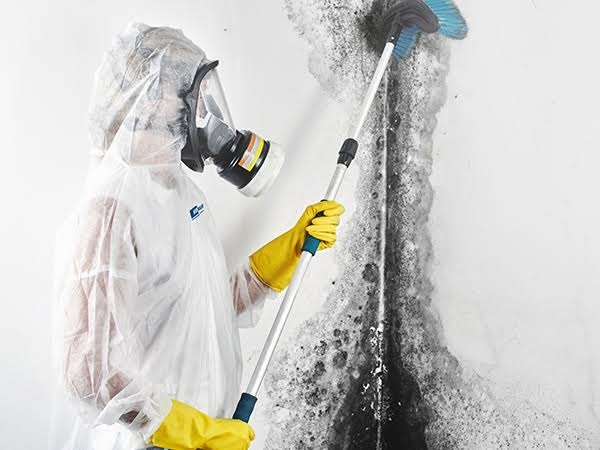
A well-maintained interior can make daily routines more enjoyable. Consistent mould removal contributes to spaces that feel orderly, fresh, and pleasant for regular activities.
- Creates a more comfortable indoor setting
- Helps maintain clean and attractive surroundings
- Encourages a sense of freshness throughout rooms
- Makes living and working areas more enjoyable
- Supports regular interior care routines
Careful Treatment For Lasting Cleanliness
Professional attention brings a structured approach to mould removal. Specialists can assess affected areas, use suitable cleaning methods, and work carefully to help preserve the condition of interior surfaces.
- Examines areas that require focused attention
- Selects appropriate methods for different surfaces
- Treats affected sections with careful precision
- Completes cleaning with attention to detail
- Helps maintain a consistently neat appearance
Helping Preserve Attractive Interiors
Regular care can contribute to the long-term appearance of walls, ceilings, corners, and other interior areas. Timely mould removal supports a cleaner presentation and helps interiors remain pleasant.
- Protects the visual appeal of maintained spaces
- Keeps commonly used areas looking refreshed
- Supports cleaner-looking walls and surfaces
- Complements regular housekeeping efforts
- Encourages ongoing attention to interior upkeep
Building Confidence Through Professional Care
Choosing expert mould removal in Brisbane can make interior maintenance feel simpler and more manageable. Reliable service provides focused care that helps create a welcoming environment while giving occupants greater confidence in their surroundings.
- Provides dedicated attention to mould-affected areas
- Encourages a thorough and organized cleaning process
- Helps maintain a fresh interior presentation
- Supports convenient and dependable property care
- Promotes greater satisfaction with indoor spaces
Encouraging Better Maintenance Habits
Mould removal works especially well alongside consistent cleaning and moisture-conscious habits. Simple ongoing care can help interiors stay fresh and attractive while supporting the results of professional treatment.
- Keep interior surfaces clean and dry
- Encourage good airflow where practical
- Address moisture promptly and thoughtfully
- Include regular checks in cleaning routines
- Maintain tidy and well-cared-for rooms
A Positive Step Toward Better Interiors
Reliable mould removal services offer valuable support for maintaining comfortable, attractive, and refreshing indoor environments. From careful surface treatment to ongoing upkeep, each step can contribute to a cleaner and more welcoming setting. Professional attention also helps make interior care more organized, allowing occupants to enjoy spaces that look refreshed and feel pleasant each day. With consistent maintenance and timely care, interiors can continue to provide a positive atmosphere for relaxation, productivity, and everyday activities.