
Understanding solid state relay (SSR) symbols is a cornerstone of creating reliable and safe electrical installations. Mastery of these symbols not only simplifies design but also strengthens troubleshooting and system efficiency in modern automation networks.
Understanding SSR Symbols
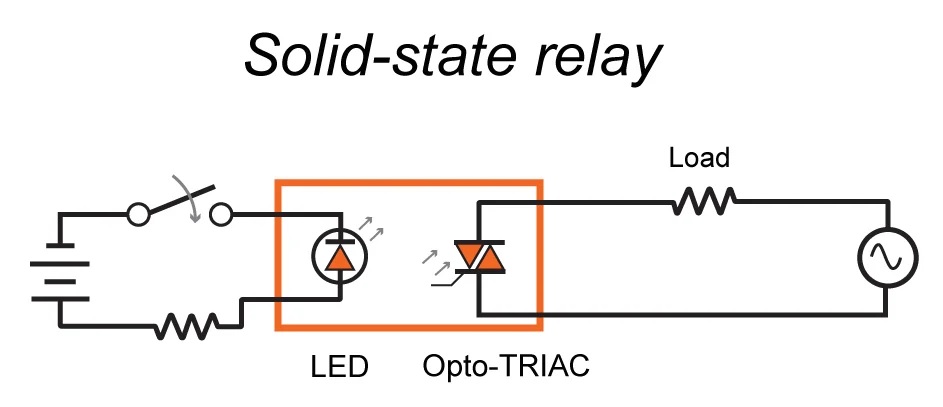
Solid state relays are electronic switching devices that offer superior performance over traditional electromechanical relays. Their symbols provide clear visual guidance on:
- Control input – Indicates the voltage or current needed to activate the relay.
- Output load – Shows the type of circuit the SSR can handle, whether AC or DC.
- Polarity – Highlights proper wiring orientation to prevent damage or malfunction.
- Isolation – Depicts the separation between control and load sides, enhancing safety.
By familiarizing oneself with these symbols, technicians and engineers can confidently design and implement circuits that function correctly the first time. Accurate solid state relay symbol improves diagram clarity.
Benefits of SSR Symbol Mastery
Enhanced Safety
- Proper interpretation of SSR symbols ensures circuits are wired accurately, reducing the risk of short circuits or overloads.
- Recognizing isolation markers helps protect sensitive equipment and personnel from electrical hazards.
Improved Reliability
- Correct symbol comprehension allows precise selection of SSRs for specific applications, avoiding mismatched components.
- Ensures consistent performance in high-frequency switching or heavy-load scenarios, reducing maintenance requirements.
Streamlined Troubleshooting
- Symbols simplify diagnosis by visually representing control and load relationships.
- Quick identification of input or output issues minimizes downtime and prevents cascading failures in automation systems.
Practical Tips for Engineers and Technicians
- Study datasheets carefully – SSR diagrams often include subtle details about voltage ratings and switching characteristics.
- Use standardized references – International electrical symbols maintain consistency across designs and installations.
- Visualize the circuit – Drawing a schematic with proper SSR symbols helps anticipate potential issues before assembly.
- Simulate before implementation – Software simulations using correct symbols ensure functionality and enhance safety.
Integrating SSR Symbols into Project Workflow
Incorporating SSR symbols effectively into electrical schematics leads to:
- Clear communication – Team members and collaborators can understand complex automation circuits easily.
- Faster approvals – Accurate diagrams streamline compliance checks and regulatory approvals.
- Optimized component placement – Engineers can plan layouts efficiently, ensuring minimal interference and optimal performance.
Conclusion
Mastering solid state relay symbols is more than an academic exercise it is a practical step toward safer, more reliable electrical installations. By paying close attention to SSR symbols, engineers, technicians, and electricians can achieve:
- Greater installation safety
- Enhanced operational reliability
- Efficient troubleshooting and maintenance
- Smooth collaboration across teams
In today’s fast-paced automation environments, symbol literacy empowers professionals to design circuits with confidence, ensuring that every installation meets both performance and safety standards. Investing time in learning SSR symbols not only protects equipment and personnel but also fosters professional growth and excellence in electrical engineering projects.